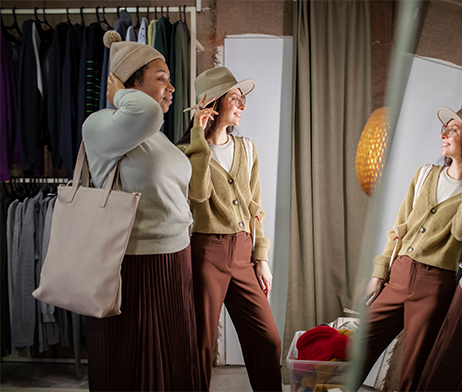
How Texture Changes The Way Clothing Feels
Clothing is not experienced through appearance alone. Before we notice colour, silhouette, or styling, we often respond to the way a fabric feels. Some materials feel light and effortless, while others create structure, warmth, softness, or movement. Texture quietly shapes our relationship with clothing, influencing comfort and even the way an outfit is perceived.
A garment can look simple and still feel luxurious because of its surface. Another can appear bold because of the way its fabric catches light or holds shape. Texture gives clothing character long before additional styling enters the picture.
Texture Shapes First Impressions
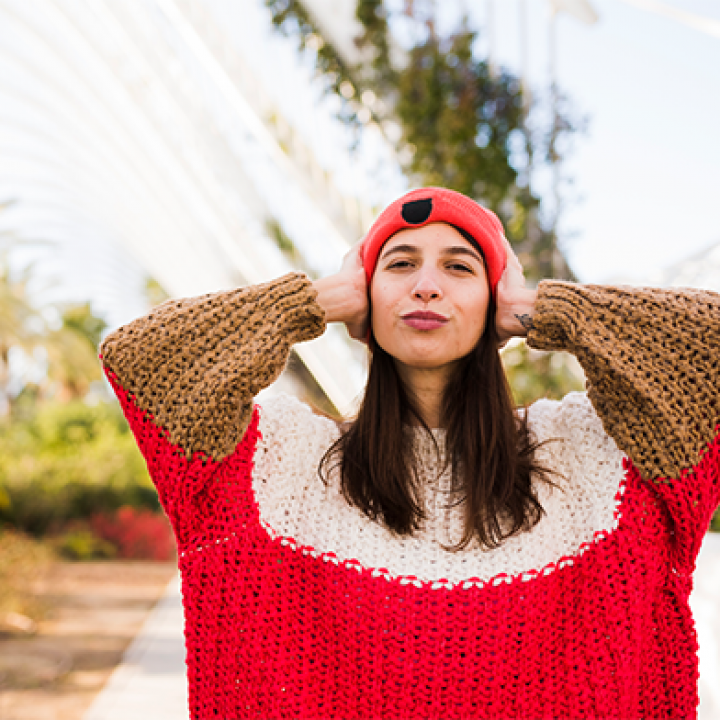
The surface of a fabric often determines the immediate vibe of an outfit. Smooth fabrics tend to feel polished and refined, while brushed or knitted textures can create a softer, more relaxed impression. Crisp materials often communicate structure, and flowing fabrics can make a look feel lighter and more expressive.
Even when two garments share the same colour and shape, different textures can completely change their personality. A matte black shirt feels very different from one with a subtle sheen. A structured cotton dress creates a different impression from the same silhouette made in a fluid fabric. Texture becomes part of the visual language of clothing.
Comfort Begins With Touch
How a fabric feels against the skin can influence how often we choose to wear it. Soft, breathable materials are often associated with everyday comfort, especially when clothing needs to move easily throughout the day. Heavier fabrics can provide a sense of support or warmth, while lightweight materials may feel more relaxed and effortless.
Comfort, however, is personal. Some people prefer smooth finishes, while others enjoy textured knits or more substantial fabrics. Paying attention to touch helps create a wardrobe that not only looks appealing but also feels natural to live in.
Movement Changes With Fabric
Texture also affects the way clothing moves. Some fabrics fall close to the body, creating fluid lines with every step. Others maintain their shape and create a stronger silhouette. A soft material may drape gently, while a crisp fabric can hold folds, pleats, and structured forms.
This movement influences the overall character of an outfit. Flowing fabrics can create elegance and ease, while firmer textures often make clothing feel more architectural. Neither approach is better. The right choice depends on the occasion and shape you want the outfit to create.
Layering Becomes More Interesting
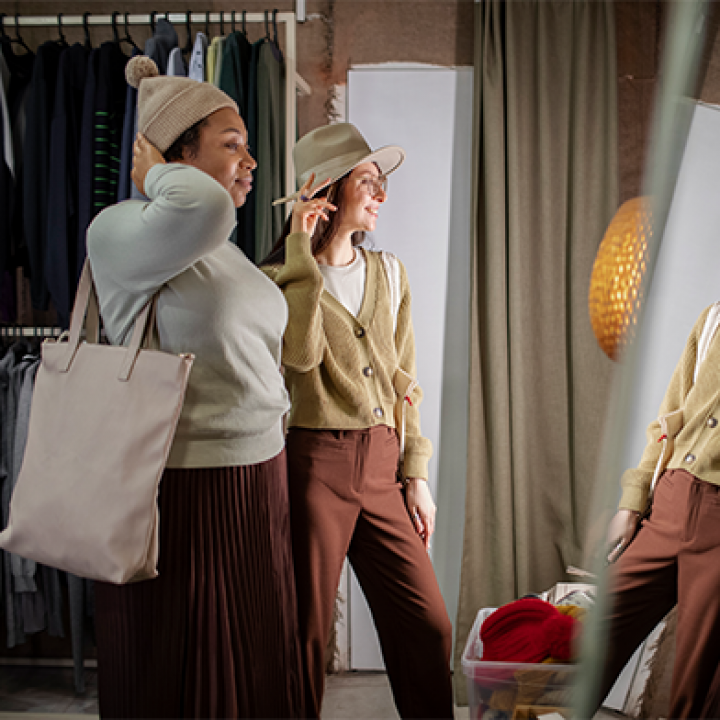
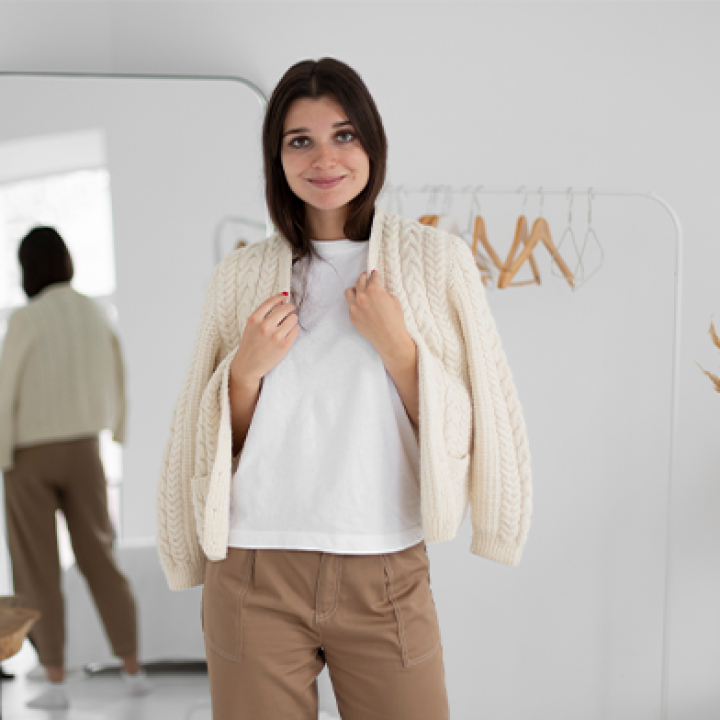
Texture is one of the easiest ways to add depth without relying on strong colours or prints. A smooth shirt under a textured jacket creates contrast. Soft knitwear paired with structured trousers makes an outfit feel more dimensional. Even monochrome dressing becomes more expressive when different fabric finishes are combined.
This is why layered outfits often feel richer when every piece does not have the same surface. Texture allows subtle differences to stand out without making the outfit appear overly complicated.
Fabric Influences Vibe
Clothing can affect how we feel, and texture plays a significant role in that experience.
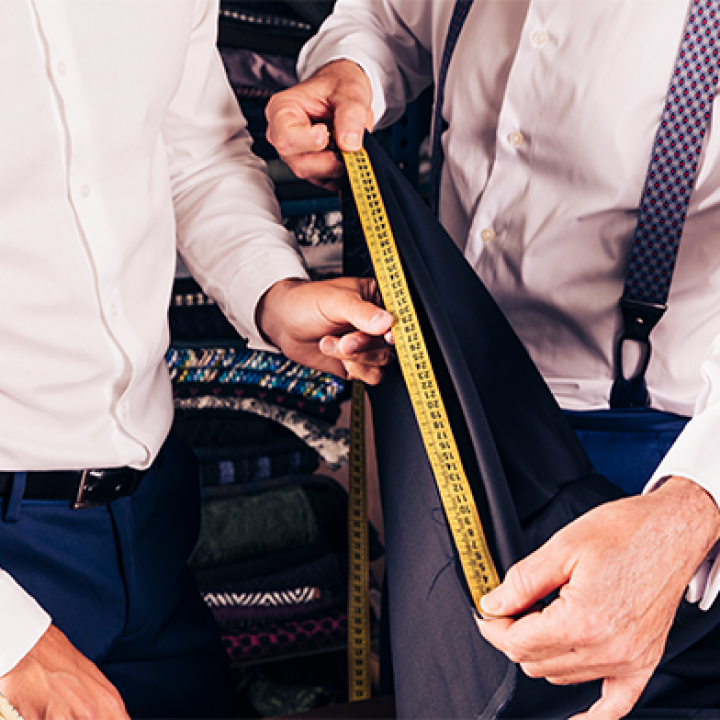
Soft fabrics may feel comforting and relaxed. Crisp tailoring can create a sense of sharpness and confidence. Light materials often feel fresh and easy, while heavier textures can make an outfit feel grounded and substantial.
These reactions may be subtle, but they influence the way we approach dressing. Choosing fabric based on how you want to feel can make everyday styling more personal. Some days may call for softness, while others may benefit from structure and definition.
Small Details Create Character
Texture is not limited to the main fabric of a garment. Ribbing, embroidery, pleating, quilting, weaving, stitching, and raised patterns all introduce dimension. These details can transform even the simplest clothing into something visually distinctive.
Because texture works quietly, it often creates interest without overwhelming the design. A subtle woven surface or fine ribbed finish can make a basic piece feel more considered while keeping it easy to style.
Texture Makes Simplicity Stronger
Minimal outfits often depend heavily on fabric quality and texture. When colour and print are kept simple, the material becomes more noticeable. The way it reflects light, falls on the body, or feels against the skin becomes part of the design itself. This is where texture shows its real power. It can make simplicity feel intentional instead of plain.
Clothing Should Be Felt As Well As Seen
Style is often discussed visually, but clothing is something we physically experience throughout the day. Texture connects those two sides of fashion. It changes the way garments move, layer, feel, and communicate personality. It can turn a basic silhouette into something distinctive or make an everyday outfit feel more comfortable and expressive. The next time you choose clothing, look beyond colour and shape. Pay attention to the surface, weight, softness, and movement of the fabric.
Sometimes, the difference between something you simply wear and something you truly enjoy wearing begins with how it feels.